2026 Coastal Luxury Home Design Trends: Malibu Seller Guide
The five design trends driving value in Malibu's 2026 luxury market are vanishing wall systems, quiet concealed technology, warm minimalism with natural oak and travertine, biophilic site-integrated materials, and dedicated wellness infrastructure. At $3M and above across ZIP code 90265, these architectural features command higher closed sales prices per square foot.
Design Trend | What It Means | Price Tier | ROI Signal | Replaces Outdated Feature |
|---|---|---|---|---|
Vanishing Wall Systems | NanaWall, La Cantina, and Western Window Systems sliding glass opening fully to ocean views | $3M to $50M+ | Defining architectural feature: mandatory at $5M+ price points | Fixed glass panels, standard sliding doors, closed indoor-outdoor gaps |
Quiet Tech Integration | Crestron and Lutron home automation fully concealed without visible wall panels | $2.5M to $30M+ | Standard expectation for luxury buyers: preserves clean room aesthetics | Visible smart home tablets, exposed keypads, tech-first aesthetics |
Warm Minimalism | White oak, bleached walnut, Italian travertine, Ceppo limestone, and brushed brass | $2M to $25M+ | Commands premium valuation over cold industrial finishes | Cold polished concrete, all-white lacquer kitchens, polished chrome |
Biophilic Materials | Local stone, reclaimed cedar cladding, native landscaping, solar, and battery backup | $3M to $40M+ | Sustainability and fire-resistant materials factor into appraisal valuations | Imported synthetic materials with no site connection, artificial turf |
Wellness Infrastructure | Infrared saunas, plumbed cold plunges, ocean yoga decks, and whole-home HEPA air filtration | $3M to $50M+ | Core buyer request: absence noted as a pricing gap during walkthroughs | Standard bathrooms without wellness features or air purification |
Planning a renovation before selling your Malibu estate? Discover which design upgrades yield the highest ROI with Robert Edie.
Malibu Luxury Design Trends 2026 Quick Reference
Sellers preparing a Malibu property for market face critical decisions regarding renovation capital. In a coastal market where closed sales average $1,417 per square foot while active asking prices reach $1,824 per square foot, design alignment directly influences buyer demand and days on market.
Current buyers in enclaves like Point Dume and Carbon Beach evaluate material choices, outdoor integration, and wellness amenities. Aligning home specifications with verified market expectations ensures maximum return on pre-listing investments.
The Five Trends in Detail
1. Vanishing Wall Systems: The Non-Negotiable
Full-width sliding glass wall systems represent the defining architectural specification across Malibu's premier properties. Systems manufactured by NanaWall, La Cantina, and Western Window Systems allow entire living areas to open seamlessly to Pacific ocean decks. Properties missing this fluid transition experience longer marketing periods when competing against modern builds.
Key Specification: Quantum Lift-Slide and Western Window Systems with low-emissivity marine glass coatings.
Investment Scope: $30,000 to $120,000+ depending on width and structural engineering requirements.
2. Quiet Tech: Invisible Integration
Visible smart home control panels and mounted tablets are no longer considered luxury features. Buyers at the $3M+ tier expect invisible automation where lighting, climate, automated shades, and security operate through concealed Crestron or Lutron systems. Technology functions as quiet infrastructure rather than a visual centerpiece.
Key Specification: Lutron Homeworks QSX lighting paired with Crestron Home concealed processors.
Investment Scope: $50,000 to $300,000+ for full whole-home integration in luxury estates.
3. Warm Minimalism: The Material Shift
Cold industrial aesthetics featuring polished concrete floors and glossy white cabinetry have given way to Warm Minimalism. This approach utilizes wide-plank white oak flooring, bleached walnut millwork, Italian travertine, Ceppo limestone, and unlacquered brass hardware to create tactile, serene living environments.
Key Specification: Wide-plank 10-inch European white oak flooring paired with honed travertine slab counters.
Investment Scope: High ROI when refreshing kitchens and primary suites prior to listing.
4. Biophilic Materials: Architecture in Dialogue with Site
Biophilic design connects residential architecture directly to Malibu's natural coastal environment. Utilizing locally sourced stone, fire-resistant reclaimed cedar cladding, native drought-tolerant landscaping, and solar energy systems with battery storage enhances both aesthetic appeal and long-term sustainability credentials.
Key Specification: Class A fire-rated treated cedar siding with Tesla Powerwall battery integration.
Investment Scope: Directly improves fire insurance eligibility and buyer confidence in canyon zones.
5. Wellness Infrastructure: The New Standard Specification
Dedicated wellness amenities have transitioned from optional luxuries to expected features at $3M+ price points. Properties incorporating infrared saunas requiring 240V electrical service, outdoor plumbed cold plunges, oceanview yoga decks, and medical-grade whole-home HEPA air filtration stand out during buyer tours.
Key Specification: Dedicated 240V cedar infrared sauna room and hospital-grade HEPA HVAC filtration.
Investment Scope: Moderate cost addition with immediate impact on buyer perception during showings.
Evaluating Pre-Listing Design Renovations in Malibu?
Connect with Robert Edie to determine which architectural upgrades deliver the highest price-per-square-foot return in your specific neighborhood.
Frequently Asked Questions
What are the top luxury home design trends in Malibu for 2026?
The top five design trends are vanishing wall systems, quiet concealed technology, warm minimalism with natural oak and travertine, biophilic site-integrated materials, and dedicated wellness infrastructure like saunas and cold plunges.
Which home renovations add the most value in Malibu?
Renovations adding the highest value include installing full-width vanishing glass walls, updating kitchens with warm white oak and travertine, and integrating dedicated outdoor wellness amenities.
What design style are Malibu luxury homes in 2026?
The dominant design style in 2026 is Warm Minimalism, combining clean architectural lines with organic textures, light woods, natural stone, and neutral earth tones.
What is Warm Minimalism in luxury home design?
Warm Minimalism replaces stark industrial finishes with natural elements like European white oak, honed travertine, limestone, and brushed brass while maintaining clean, uncluttered spaces.
How does wellness infrastructure affect Malibu home values?
Wellness infrastructure such as infrared saunas, cold plunges, and HEPA air filtration meets core buyer expectations, helping homes sell faster and support top-tier asking prices.
What should I prioritize for a pre-listing renovation in Malibu?
Prioritize outdoor-indoor glass transitions first, followed by material updates in the kitchen and primary suite, and finalizing whole-home air filtration and fire safety landscaping.
Explore Related Malibu Luxury Real Estate Guides
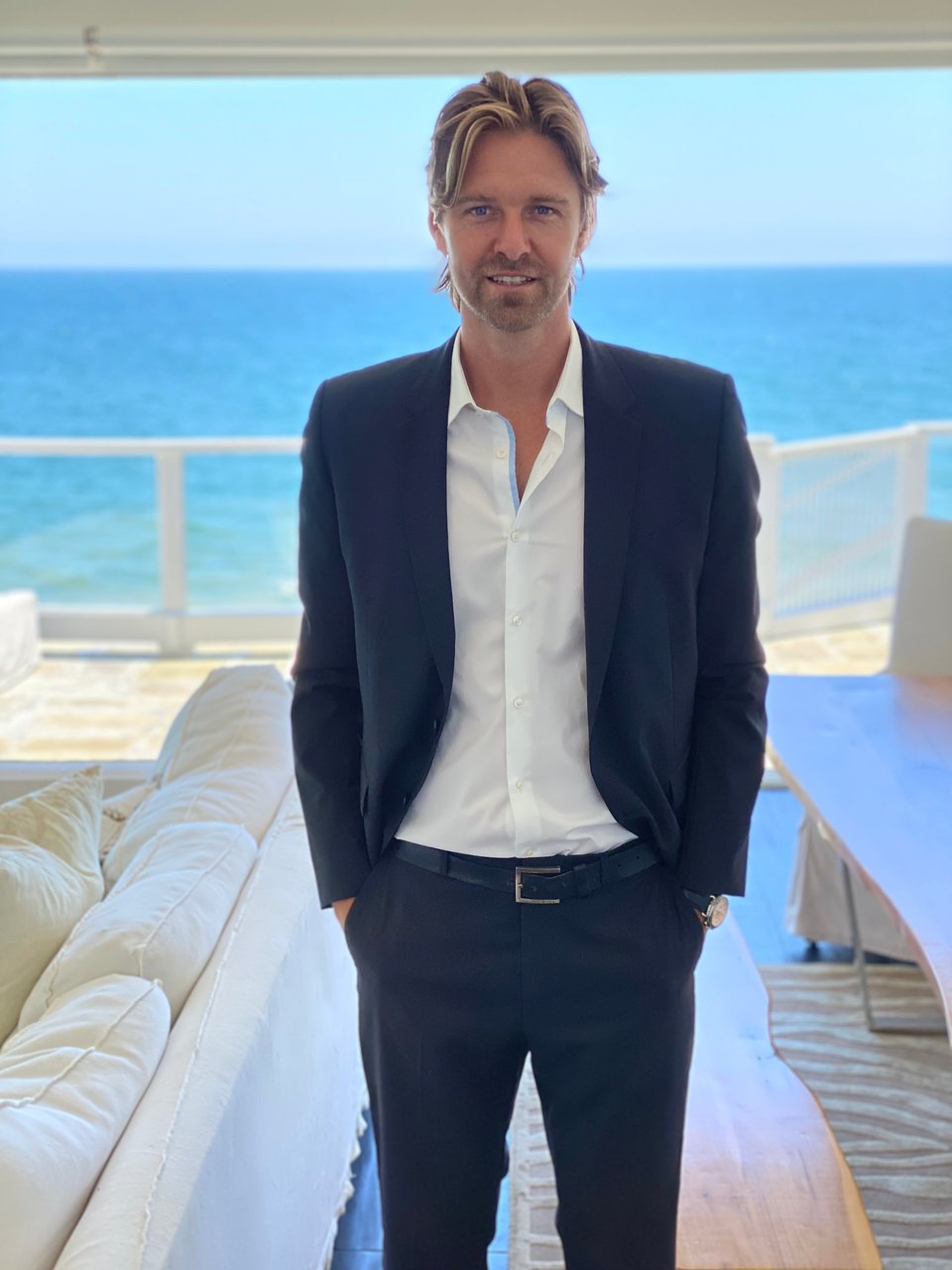
Authored by Robert Edie | Compass Luxury Division
Robert Edie is a luxury real estate specialist with Compass (License #DRE01821992), serving high-net-worth clients across Malibu, Pacific Palisades, Calabasas, and Montecito since 2008. An alumnus of the University of Southern California (USC), Robert resides in Malibu and advises clients on architectural design trends, pre-listing renovations, and strategic property marketing.
Direct: (310) 717-1795 | Email: [email protected] | Office: 23410 Civic Center Way C1, Malibu, CA 90265. Learn more on Robert Edie About Page.
Source Notes: Compass Luxury Brokerage market transaction analytics, Shen Realty H1 Market Report, and Los Angeles County Residential Presentation Audit Summaries verified as of 2026.
